I slid out from behind the steering wheel and slammed the car door shut. The fall afternoon sunshine was so beautiful, I should have been out enjoying a walk on my country road. But a day off from my job at the hospital was often spent running errands. Once I completed my job list, I swung by the hospital to attend a meeting at the 7 North Unit where I worked. While on duty when unit meetings are being held, I was often too busy to attend.
I walked into the lounge where the meeting was being held, followed by two nurses who also had the day off. Our Unit Manager nurse slowly worked her way through the meeting agenda; a new doctor’s standing orders, changes in how to send certain lab samples, patient safety issues, and an update on computer-based training requirements. Her last topic: the results of recent patient-care surveys. Our patients were saying the care they received from us was good. According to administration, that meant we were falling down on the job! Afterall, why weren’t our patients saying we gave ‘very good’, or ‘excellent’ care on the hospital survey?
As an employee at the hospital, I was always aware that if a patient had a nurse or nursing assistant who was rude or gave poor care, that patient would see the entire hospital as being a bad place. Each employee represents the place where they work. A bad employee is like a weak link: a breaking point. The patients surveyed regarding their stay at my hospital didn’t say they thought our care was subpar. But according to the survey managers, our patients damned us with faint praise. Administration reacted to the survey report as if they had been given a mouthful of unsweetened, lukewarm oatmeal.
Surveys and reviews are useful tools to assess the value of a product or service. When buying something online, I will admit that I like to look at product reviews. Customers get to say what they like, or don’t like, about a product. This method helps future customers separate the reasonable from the unreasonable reviews. Complaints about a red toaster oven not being red enough, or that the toaster pan from their previous toaster oven doesn’t fit the new one is far different than a complaint that the oven’s temperature knob fell off, or the oven trips the circuit breaker every time it’s turned on. However, surveys that require ratings of routine experiences are less likely to be strongly scored if nothing out of the ordinary happened.
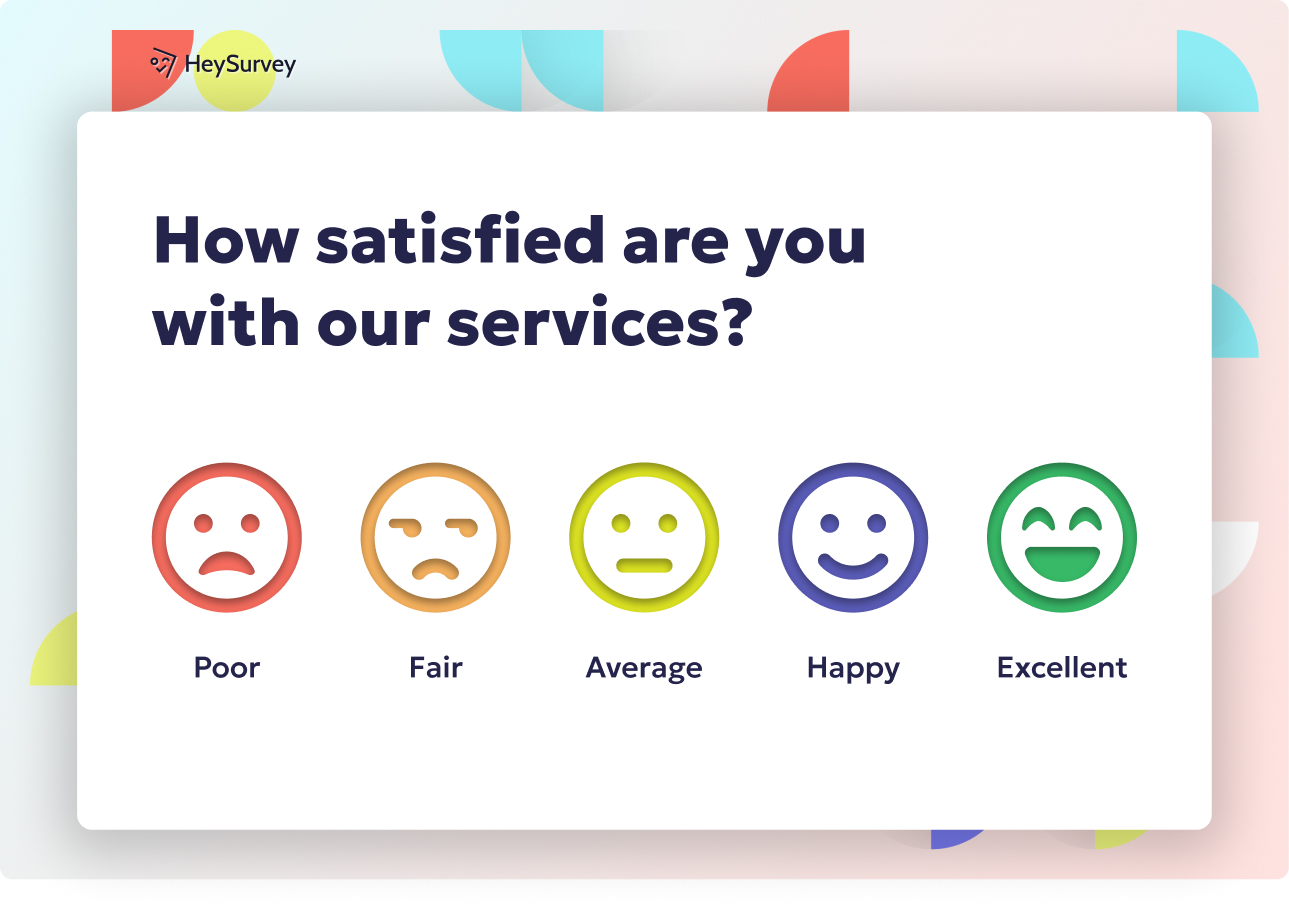
Nowadays, I frequently get clinic service surveys to fill out. They ask about 25 questions, all wanting me to rate the excellence (or not) regarding how long I had to wait to get my appointment, how long I had to wait to sign in, wait in the waiting room, or wait and shiver in the exam room. Each step along the way wants me to evaluate how kind, caring and professional each person was that I met. All of this is on a one to five scale, ranging from very poor to very good.
I wish those surveys would ask just two questions, “Were you satisfied with your care? Did anything, good or bad happen?” This would be the place to complain or compliment! Ninety-nine percent of the time I’d say, “My experience at the clinic was perfectly fine.”
Maybe it’s a personality defect, but I just can’t make myself put a check mark next to ‘very good’, or ‘excellent’ unless something world-shatteringly wonderful happens. I’m just not a person to spew false complements left and right and gush over a perfectly fine experience. Almost everything and everyone I encounter is ordinary and as expected.
Finding a survey in my mailbox makes me develop a nervous tic. I dread having to fill it out. I know my answers are sure to disappoint a lot of people.

