Archives

Lavender Dreams

I wrapped my arms around my daughter and complained, “Your visits go by so fast! I wish you could stay longer.” After spending a wonderful weekend together, it was time for Tammie to return to her home. Her car was packed and ready to go.  

Tammie assured me, “I’m coming home again in four weeks, and we’ll visit the New Life Lavender Farm in Baraboo. That’s something nice to look forward to, isn’t it? I’ll call Niki to see if she and the kids would like to come with us. It’ll be an educational field trip.”

Waving goodbye as my daughter drove out of the yard, I smiled. Tammie liked to cheer me up by turning my thoughts to activities we would do during her next visit. I thought, “I’m so lucky to have such a thoughtful daughter.”

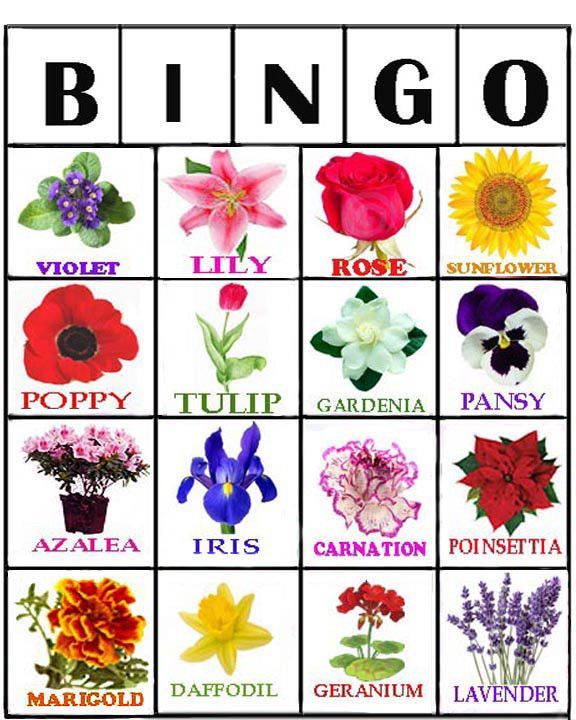
Lavender plants do well in my garden and some years I even get them to survive winter. But my sweet-scented lavender plants with their small, demure blossoms do not get used to their full potential. I like how they look, but don’t have a clue how to use them other than displayed in a vase.

Four weeks later Tammie was home for another visit. She said, “We need to get to the farm by eleven in the morning on Friday if we want to ride a hay wagon around the lavender fields.” That morning we packed lunch in an icebox. There were eight of us in Niki’s van including my sister, Agnes. We arrived at the farm 15 minutes before the tour, enough time for us to scope out the gift shop where we found a surprising number of lavender-themed products to buy, foods to eat and drink.

Continue reading

Who Knew?

 I glanced out the kitchen window and saw a school bus crossing the bridge near our house. Its red lights began to flash as it slowed down to stop at our driveway. Looking into the dining room, where my two grade-school-aged daughters sat eating breakfast, I informed them, “Your bus is here.”

Niki and Tammie popped the last of their toast into their mouths, picked up their school bags and rushed out the back door, yelling, “Bye, Mom!”

From our bedroom above the kitchen, I could hear my husband, Arnie, moving around. He liked it when I made breakfast for him on my days off from the hospital. I gathered what I needed from the refrigerator, set the table for us in the dining room, and began frying bacon.

Arnie walked into the kitchen just as I broke the last egg into the skillet. He gave me a peck on the cheek and asked, “What do you plan to do today?”

Turning away from the stove, I said, “Our garden gets planted today. I’m happy with the nice weather this morning. All week I’ve been worrying that it would be rainy on my day off. What are you planning to do today?”

While buttering his toast, Arnie listed the customers he needed to see after working his day shift at the plant, adding, “I need to pick up supplies, so I’ll see you when I swing by to pick them up this afternoon.”

Continue reading

Guide Lines

Crumpling the notebook pages in my hand, I quietly walked out of the farmhouse. I felt wounded, but I wasn’t crying.  Earlier that morning, I had shown my mother a story I had written. Mom disapproved of something she read and scolded me. The pain I felt was a deep, aching shame. Knowing what I needed to do, I crossed the farmyard towards the orchard.

Our freshly planted garden ran alongside the rows of trees. After tearing the notebook pages into small scraps, the size of snowflakes, I dug a hole in the soft soil near my favorite crabapple tree. Scooping up the white bits of paper, I threw them into the hole and covered them with the rich, dark brown soil.

At ten years of age, I didn’t know a single person who wrote anything other than letters to friends or relatives.  Yet, I wanted to write a book someday. Who knows where I’d gotten an idea like that. The teachers at my grade school certainly hadn’t covered anything like the different types of writing a person could do, nor how to construct stories that had realistic conflict, climax and satisfying resolutions.

The desire to write never left me. Every several years I’d pull out my notepad and do some writing. The people who saw these first literary attempts gave me honest critiques. Being thin-skinned, their advice on how to improve felt like personal attacks. The result each time was the same. I’d throw my notebook back into the desk and try to forget about it.

Continue reading

Also Known As

To entertain my older siblings, I put on an old hat, sunglasses, and wrapped myself in a shawl. Clutching a large, empty purse, I knocked and entered the bedroom my sisters, Mary and Betty, shared. In a high-pitched, whiny voice I announced, “My name is Mrs. Humperditzel, and I’m here to drink a cup of tea with you.” My sisters screamed with laughter and began to ask my alter-ego questions. Mrs. Humperditzel answered in a snooty voice, “Yes, of course I live nearby; in the haymow. I’ll have my tea with lots of sugar!“  

I grew up with several siblings who were much older me. Life had handed me an excellent invitation to be an entertainer, and I took advantage of the opportunity with gusto. My repertoire included several eccentric individuals. Mrs. Humperditzel was an old woman who liked to dress up and make Sunday afternoon visits. Erma Peabody on the other hand was an outgoing woman who did unexpected, outlandish things. My favorite persona was Rosie Spearmint. She was a young girl who lived in the orchard in an apple tree. Her solemn father liked to twirl a button on a string, and his full name was Spearmint Spearmint.

One drought-marred summer afternoon, I took on the persona of a famous mud pie chef. It was so oppressively hot that July day, I didn’t even bother to give him a name. After gathering the ingredients needed to make a mud pie, I gratefully sank down on the grassy lawn in the shade of a backyard tree next to one of Mom’s meticulously tended flower beds. High overhead, the hot July sun glared down on the farm. The dappled shade provided by the young tree gave me scant relief from the scorching summer heat, but I knew that if I stopped moving around and stayed in the shade, I would eventually feel cooler.

I slowly organized my equipment and ingredients on the grass next to where I was sitting. Mom’s old kettle, usually used to carry scraps to the chickens or barn cats, was my mixing bowl. Instead of using a stick to stir, I lifted an old spoon from the kitchen. Mom had used it for so many years that one side of spoon’s bowl was rubbed flat.

Continue reading

Bat Bouncer

I lifted the lid off a pan on the stove, and a cloud of steam billowed up from it along with the mouthwatering smell of well-seasoned meat. I turned the burner off so that it wouldn’t burn. My husband walked into the kitchen just as I was checking the other kettles on the stove. Arnie exclaimed, “Supper smells great! How soon do we get to eat?”

Turning to face him, I announced, “The carrots and potatoes are tender, so we can eat right now if you’re ready.”

While Arnie washed his hands, I called our middle-school aged children to join us in the dining room and placed our meal on the table. I had worked all day at the hospital, so I was happy that I had been able to produce an appealing meal for the family before anyone became grumpy.

Just as I finished my meal, a dark shadow swooped through the room. It was there and then gone in the blink of an eye. Frowning, I wondered what I had seen. Arnie had been about to take a bite of the buttered bread in his hand. Still holding the bread close to his lips, he looked around and concluded, “There’s a bat in the house.” Fourth grader Tammie and eighth grader Niki screamed.

Continue reading

Sneaky Snackers

A ruby-throated hummingbird whizzed past my head so closely I imagined that I felt the light touch of its whirring wings. I watched the small bird land on my sister’s nectar feeder and hungrily plunge its beak into a red flower feeder-cup to drink. I leaned back in my deck chair and eagerly questioned, “Did you see that?”

My sister answered as she handed a glass of wine to me and sat down, “Those small birds are sassy and totally fearless when they know there’s nectar in the feeder.”

I took a sip of wine, enjoying the balmy evening air in the shade of my sister’s house. All around the perimeter of her deck were pots and plantstands filled with a large variety of blossoming plants. Glancing around at the three nearby bird feeders, I commented, “I love how close your feeders are to the deck. That makes it easier to watch the birds.”

Nodding, my sister agreed. “It is nice, but something other than birds have been after the feeders. If I forget to take them in for the night, I find them on the ground in the morning, usually in pieces and licked clean. The shepherd’s hook holding the oriole feeder is bent.”

After watching two aggressive hummingbirds fight over the feeder, I pointed out, “It would be interesting if you could set up a trail camera to see your nocturnal visitors.”

Continue reading

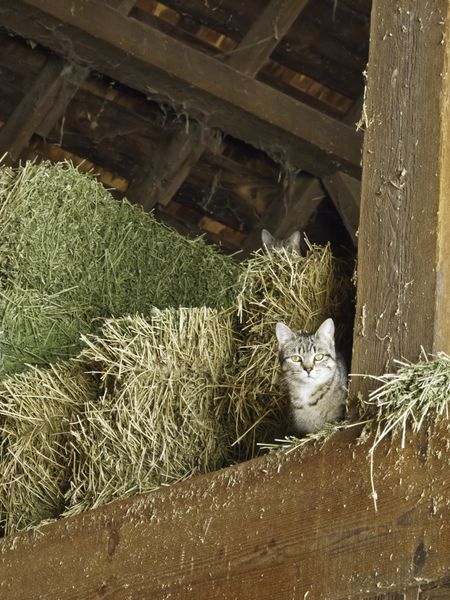
Haymow Cats

Daddy swung a bucket strap over a Holstein cow’s back and leaned down to hook it below. Being a well-seasoned milking cow, the old black and white bovine never flinched. I stood behind her in the barn’s center aisle chattering non-stop as I watched, enjoying the smells, the sounds, and the way the cows acted. My father good-humoredly smiled, nodded, and looked pleased as if he enjoyed a talkative six-year-old’s company while he worked.

Mom called me Daddy’s shadow because I followed him everywhere on the farm. Starting school limited the time I could spend with him, but school supplied more topics to talk about as he worked. This typical summer evening took place in 1957.

Stepping out from between the cow to be milked and its neighbor, Daddy picked up the Surge milk bucket on the limed walkway next to me and hung it on the strap under the cow. Connecting the vacuum tube to a vacuum valve installed on the stanchion, he then leaned over to introduce the inflation cups to the cow’s teats from where they dangled on the lid of the vacuum bucket. He did this slowly, one by one as to not startle the cow. The teats quickly slipped into the cups by suction.

Stepping out from between the cows again, Daddy pulled a washcloth from a bucket of water and stepped between two cows across the aisle and began to wash mud off the next cow’s teats and udder. Just as he was finishing, the milker on the cow across the aisle began to make loud squealing sounds. The cow brought up her hind right leg, as though she didn’t like the tickle caused by the loss of suction. But she didn’t kick as some of the cows would. Moving quickly, Daddy stepped next to her, removed the inflation cups, and checked to see if she was finished milking.

Continue reading

Gardening Grandchildren

Help was on the way. I rushed to the backyard hoop garden to uncover the rototiller. Each year after tilling the garden, I wait for the engine to cool off, then wrap a large blue tarp around the machine and tie it with a sturdy cord. As if unwrapping a long-anticipated Christmas present, I impatiently untied the knot in the cord and pulled the tarp off. I worried that this would be the year the ancient machine would finally give up its ghost. Although I generally only work the garden soil each spring, this old rear-tine rototiller does such an excellent job, that my garden thrives each year.

Tugging and rocking the unwieldy machine, I moved it out of the corner where it had been stored since last spring. I wanted there to be room around it to pour in fresh gasoline and to pull the starter cord. The minute the engine was started, I planned to grab the handlebars and till the hardened soil.

When I was younger, I could start the tiller myself. But each spring for the last several years, I’ve failed. I can’t pull the starter cord fast enough. This year I decided not to even try. I called someone for help. When the volunteer arrived a few minutes later, he pulled the cord twice and the faithful old engine powerfully awoke from its year-long nap.

Continue reading

Well Adjusted

Tammie slid into my car behind the steering wheel and methodically adjusted the height of the seat and moved it closer to the steering wheel. After changing the angle of the seat and tipping the backrest forward, she started on the mirrors. Each one had to be angled just so, to allow her to see everything as a safe driver. Once her requirements were met, she turned to me and cheerfully asked, “Ready to go?”

I love driving into town to do short errands, but dislike long distance driving to unfamiliar places. So, when Tammie offered to do the driving on our vacation to the tip of Door County, I happily accepted. We both looked forward to visiting The Clearing in Ellison Bay once again.

We planned to spend an enjoyable week being creative among other creative people. Since we had successfully convinced my sister Agnes to join us, we were more than usual excited and happy to be attending another session at this school of arts. This summer Tammie and Agnes took the watercolor classes while I registered as an independent student to work on a long-anticipated writing project.

The Clearing has three to four classes each week, starting in early May through October. The classes range across all the disciplines of arts and crafts, for example, photography, writing, and blacksmithing. The small campus has rustic cabins equipped with modern amenities. Three, five-star, restaurant-quality meals are served each day. The fire rings and trails along wooded cliffs overlooking Green Bay are awe inspiring. Some veteran visitors fight for the privilege to spend a night in founder Jens Jensen’s primitive cliff-side house.

Located on 128 acres, The Clearing was purchased in the early 1900’s by Jens Jensen, a famous landscape architect. When he began his search for a place to start his landscape architecture school, he insisted that it face west, overlook water, and be located on forested high ground. Since ‘The Clearing’ is far from Chicago where he had his offices, Jensen called his slice of paradise, ‘The Clearing’, saying that it was a place where students could escape the pressures of urban living to clear their minds.

Continue reading

Determining Intent

A warm blanket of sunshine covered the floor next to the stairway window. I padded over in my stocking feet to look out into the backyard. The sun-warmed floor felt good under my feet because the brick house where I live is always cool in the mornings, even on hot summer days. I was disgusted when I discovered my view of the lushly green backyard was marred by a huge, ugly smear of bird poo on the window glass.

Complaining to my daughter Tammie, I whined, “You should see the huge splotch of poop a bird dumped on the window glass. I can understand bird droppings found under their roosts, but this…this…” I sputtered, “This had to be intentionally done! It couldn’t have been easy to get it to fall so perfectly in the center of the glass and have it dribble in such a way as to make it look like the wing of a white moth.”

Laughing, Tammie questioned, “Are you telling me the bird dirtied your window glass on purpose?”

“Well, maybe it was an accident.” I grudgingly admitted. “I don’t think I have an angry bird in the backyard who’s carrying out a vendetta against me. After all, I keep my birdfeeders stocked with suet and black sunflower seeds all winter.”

Continue reading