If I was a cartoon character, the artist drawing me would have pictured my hair standing on end and droplets of perspiration flying around my head as I gasped, “But what will there be left for me to eat, if I give up everything made with wheat, sugar, corn and soybeans?!”
The slim, very pretty nutrition specialist sternly stated in a voice edged in ice, “Kathy, you will have plenty of other things to eat! If you don’t want to try this plan to make your arthritis less bothersome, you can just forget about it and not bother coming back to me for dietary advice.”
Blushing, I mumbled, “I’ll give it a try.” Feeling like I had been sentenced to a prison where food was severely restricted, I went home wondering how long I’d have to give up all the things I liked to eat. As time passed, I slowly came to realize that certain foods would always be verboten.
The most common form of arthritis is osteoarthritis, and it can be debilitating. A Mayo Clinic rheumatologist says that what you eat may help reduce some of the inflammation associated with this joint-destroying illness. There are dozens of websites that list the best and the worst foods for people suffering from osteoarthritis.
I had a hard time at first, giving up certain foods. I felt deprived, dissatisfied, and often meditated on whether I ate to live, or lived to eat. Eventually I reconciled myself to my restrictions, because after all, my restrictions didn’t forbid me to eat, they just directed me to eat different things.
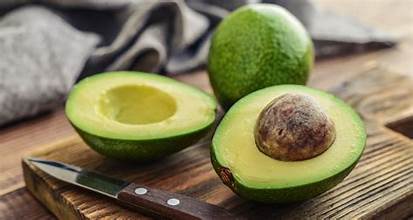
When I first started this anti-inflammatory diet, I lost 15 pounds despite eating a lot of nuts, avocados, and beans. These were foods I had once avoided because I thought they were too high in fat and starch.
Does following this diet help my diseased joints feel better? The truthful answer is, “I don’t know.” I cheat on the diet at times and eat food that contains some gluten or sugar. Does the diet only work if you abstain absolutely from all gluten and sugar?
My joints continue to hurt. Would they hurt worse if I wasn’t limiting inflammatory foods? Keep in mind, my first visit to the nutritionist was over twelve, joint-wear-and-tear years ago.
A new, more urgent restriction entered my life five years ago. I suddenly became intolerant to dairy products. The reaction I have to dairy products isn’t a mere suggestion that I avoid eating it. Dairy delivers an urgent, unpleasant consequence if I dare to eat a bowl of ice cream or a slice of cheese.
Family and friends react with confusion and pity when we dine together. I sometimes think they have a harder time with the restrictions than I do. They feel bad eating the stuff I’m not supposed to eat and that makes me feel bad. They often confuse my “I shouldn’t eat foods” with my “I can’t eat foods.”
What I dislike is how many foods contain trace amounts of the foods I need to avoid. This has me reading lots of small print at the grocery store to know if I should buy something or not.
I like to bake bread, cakes, and cookies. Learning to make things with gluten-free flours is a totally different game. There are a whole new set of rules to follow if you want to produce delicious gluten-free products. If you don’t know these rules, you end up with food that is rock hard, dry like sawdust, or weird tasting. Slowly, I’m learning some of these rules. When someone decides to bake me a gluten-free treat, and it doesn’t turn out, I feel bad for them. For people who love to bake and cook to show their love, this stymies that instinct.
Starting this month, I want to make my dietary nutritionist proud by following her guidelines as close as possible. I also want to reduce the amount of nibbling I like to do throughout the day and evening. My goal is to lose at least a small amount of weight to make me feel better, look better and lower some of my laboratory readings. Do I have the willpower to do that, or will my efforts fall to one side like most of my New Year’s resolutions?
 Life Lines