A cool breeze entered the living room window and swirled through the room. It had stopped raining a short time ago, so the damp breeze carried the smell of the lilies blossoming in profusion just below the window. Looking up from the comic book I was reading, I reflected upon how cozy it felt to spend a Sunday afternoon with Mom and Daddy like this. My older brothers and sisters were in other parts of the house.
Mom, in her upholstered rocking chair, had one of her favorite woman’s magazines on her lap as she dozed. Daddy sat in the armchair reading the big family bible. Sitting on the linoleum living room floor next to where Daddy sat, I leaned against his legs. An incredible thought suddenly occurred to me: Mom and Daddy had once been children, too!
“Daddy?” I questioned. “What sort of things did you do when you were a little boy”?
Looking up from the bible, he thought for a moment before replying. Glancing down at my bare feet, he said, “I didn’t wear shoes all summer long.” I looked at his face to see if he was joking. I’d taken mine off after coming home from Mass this morning, surely, he wore shoes to attend church! As if reading my mind he explained, “I grew out of the shoes I wore to school during the winter and I didn’t get another pair until sometime after the weather got really cold during the following fall.”
Mom had once told me she and Daddy were in their middle forties when I was born. I counted on my fingers…that made him at least fifty-five years old! “What else do you remember?” I prompted, realizing that his childhood was such a very long time ago.
“I played in the woods a lot. There were more trees on our land back then.”
When my brothers and sisters took me to the woods on our farm, we brought a picnic lunch with us to eat. I questioned, “Did you have anything to eat when you played in the woods?”
Daddy answered, “When I got hungry, I’d find something.” I looked at him questioningly. He explained. “I’d find berries or greens to eat. Sometimes I’d pull up a cattail; their roots are good to eat.”
As I was growing up, I was proud of the fact that my family lived on a farm. We lived off the land, having milk from our cows and meat from animals raised for that purpose. Mom canned whatever we grew in our orchard and garden.
In the late 1960’s, a man named Euell Gibbons promoted harvesting plants and roots that can be found growing in nature. This was a time when many people started to buy highly processed food from stores. Gibbons authored books with titles such as “Stalking the Wild Asparagus”. He explained the secrets he used as a young man to feed his family ‘free’ groceries when they were going through hard times.
Many people laughed at Gibbons, especially after he starred in a Grape-Nuts cereal commercial in 1970 that began with him asking the viewers, “Have you ever eaten a pine tree? Many parts are edible.” Parodies were made of him, showing someone who looked like him gnawing on all sorts of things, like tennis rackets and logs.
As a librarian, my daughter once hosted an adult program with author, Samuel Thayer, there to talk about his book, “The Forager’s Harvest.” She enthused, “He brought things with him for us to taste! Did you know that milkweed pods are delicious?”
After thinking about all the things my family used free of charge from the field and forest. I informed Tammie, “My family might be more like Samuel Thayer and Euell Gibbons than I realized.”
My daughter requested, “In what ways?”
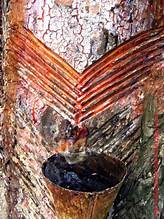
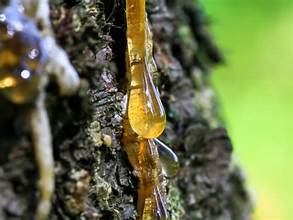
I said, “Well, I remember my older siblings talked about using plantain weed for bandages for sore toes, and they nibbled on sorrel that grew in the yard. Mom kept a jar of pine pitch in our medicine cabinet to treat our injuries. We harvested wild caraway, black walnuts, and clusters of hazel nuts that grew along a river. In the spring, we ate dandelion salad and picked wild strawberries and asparagus. During the summer my family picked raspberries, blueberries, thorn apples, choke cherries, and pin cherries. Elderberry blossoms were dipped in a batter and fried in oil like rosette cookies. When there were ripe berries, we used them to make jelly. Mom picked large baskets of mushrooms each fall. Wild leek was harvested from the woods and used in soups. My brother brought home squirrels, deer and fish for us to eat.”
“Wow. That is a lot of stuff!” Tammie exclaimed.
I answered, “I know. I always figured other farm families who lived around us in the countryside lived off the land as much as we did. Now I’m wondering if we did more foraging than the average farm family in the 1950’s and 60’s!”
Mayapples
Mom and I were in the woods one day when she pointed out a May apple growing there and mentioned how good they taste.
Imagine my surprise when I recently Googled May apples, and discovered that they are indeed delicious, but are deadly if not eaten when perfectly ripe or if you were to swallow their seeds!
I assume my grandparents knew about the dangers in eating this wild fruit, otherwise I probably wouldn’t have been born. Who knows what other wild harvest secrets my family once knew about and have forgotten through the years?
 Life Lines